 NILE ECONOMIC ZONECORPORATION LLC
NILE ECONOMIC ZONECORPORATION LLC
NILE ECONOMIC ZONECORPORATION LLC
Nile Economic Zone Corporation LLC · Juba, South Sudan
River ports, railways, industry and energy: merging the Nile's ancient trade routes with the technology of the future.
Start the conversationStrategic river ports in Juba, Malakal and Bor, and in the states of Unity and Warrap, reopening the Nile as the nation's trade artery.
A monumental plan for railway connectivity across South Sudan, linking ports, cities and production zones into one network.
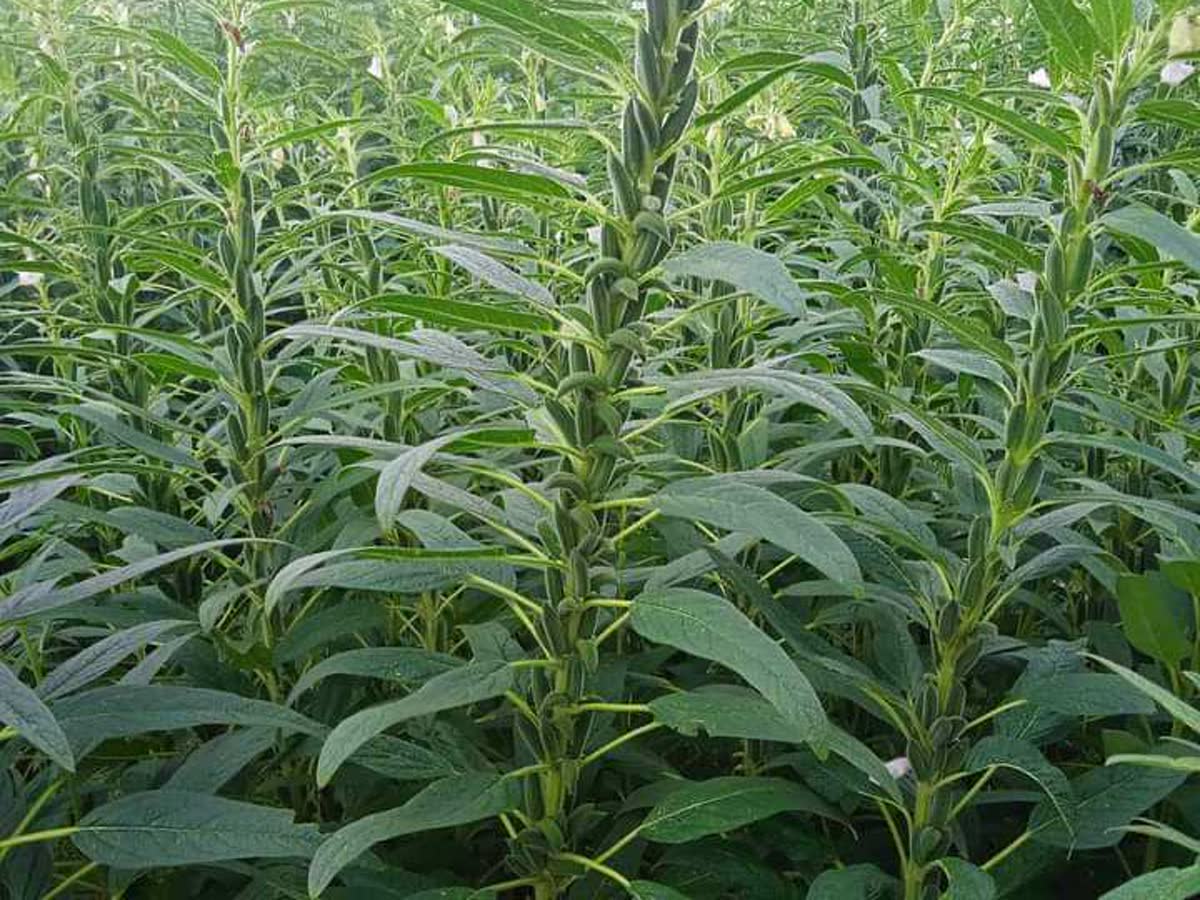
Sugar cane and cement manufacturing, food processing factories and oil refineries: domestic value addition and food security first.
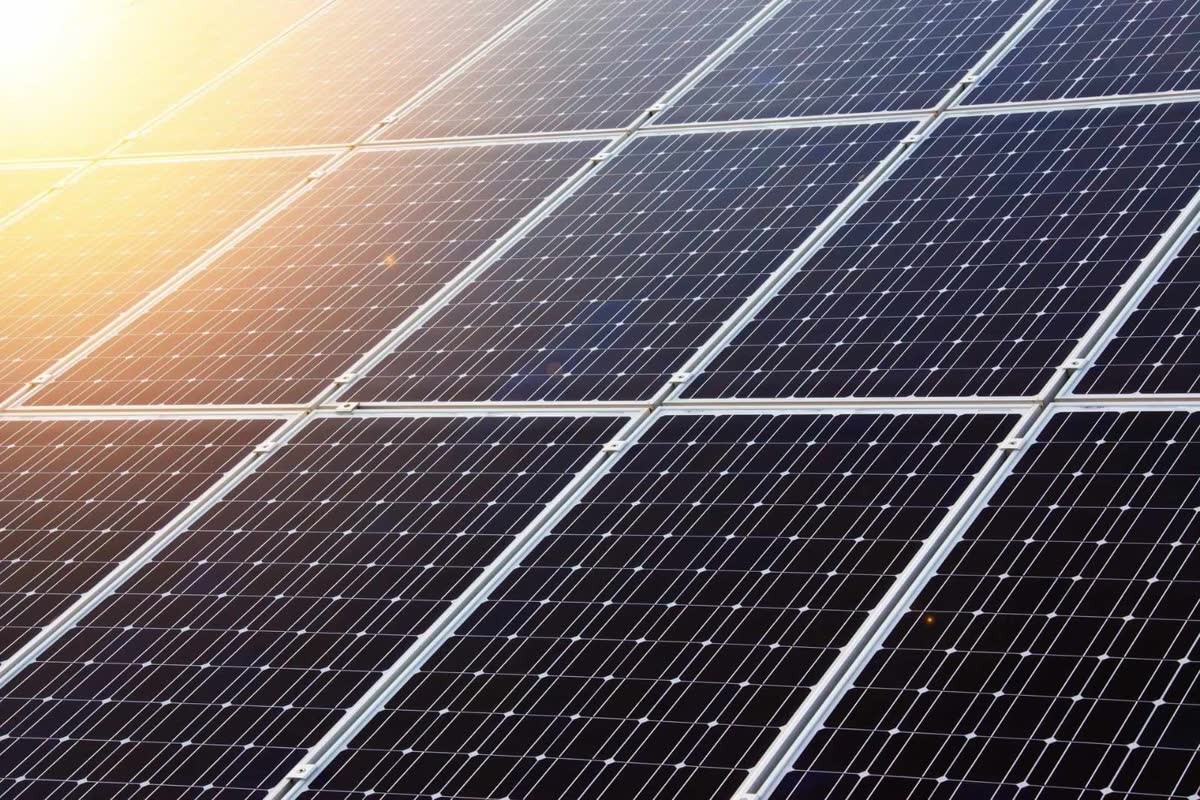
General electricity coverage across all of South Sudan, integrated with renewable energy development and large-scale clean water infrastructure.
Our mandate
Not a trading entity — a catalyst for national connectivity and energy independence.
Nile Economic Zone Corporation LLC was established to open South Sudan to large-scale investment and sustainable development, with every project aligned to the United Nations Sustainable Development Goals. We exist to build the arteries of that economy: ports on the river, rail across the states, factories that add value at home, and power that reaches every community.
By integrating the livestock sector into the formal stock market and building technical education centres, we ensure the workforce is as modern as the infrastructure we build.
Goals our projects answer to
Sectors
Nile Economic Zone Corporation LLC works across four sectors that together decide whether an economy can stand on its own — and opens each of them to international capital and expertise.
Where state enterprise leads the oil sector, we represent the country's push for private-sector-led growth: transboundary projects in water, energy and food security that turn resource wealth into long-term stability.
Funding framework
Infrastructure at this scale in the Nile Basin is financed through a multilateral model. We structure every project to meet the compliance, environmental and social standards these institutions require — so that capital can move without friction.
Strategic funding and technical expertise for regional development. Instruments such as the Nile Basin Trust Fund have historically leveraged billions in commitments for investment across the basin.
European institutions including the European Investment Bank and KfW are the customary partners for green energy, water and sanitation, and climate-resilience projects — alongside the technical expertise that projects of this scale demand.
A principal partner for infrastructure and regional integration across the continent, and the natural counterpart for projects that connect South Sudan to its neighbours.
The intergovernmental partnership that provides the technical and legal framework for transboundary projects, and has helped leverage more than 1.5 billion dollars in commitments for regional investment.
The result is a lower-risk route into the South Sudanese market: projects that arrive pre-structured for international scrutiny, in sectors where shared resources make cooperation between neighbouring states the rational course.
The river
The Nile has been the continent's great highway for six millennia, connecting the heart of Africa with the Mediterranean world. Heavy goods moved north to the sea and south into sub-Saharan Africa long before any road existed.
Gold, ivory, frankincense and precious stones travelled it. So did wheat, barley, papyrus and timber. Between 100 and 800 CE the Aksumite Empire traded across it between the Mediterranean and the Indian Ocean, and in the upper reaches — today's South Sudan and Uganda — the river carried cattle, salt and farming tools between communities.
What moved with the cargo mattered as much: languages, faiths, architecture, ways of building and governing. Control of the river has always meant a share in that wealth.
Eleven countries share the Nile Basin today. Our work is the modern continuation of that route — the same artery, carrying ports, rail, power and water instead of papyrus and salt.
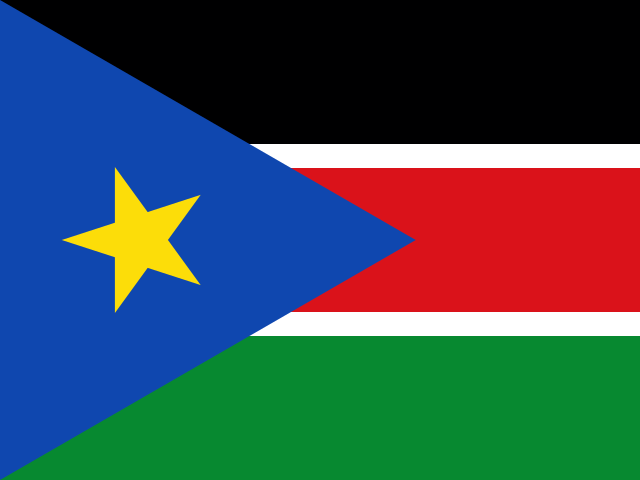
The eleven Nile Basin states
 South Sudan
 Sudan
Sudan Egypt
Egypt Ethiopia
 Eritrea
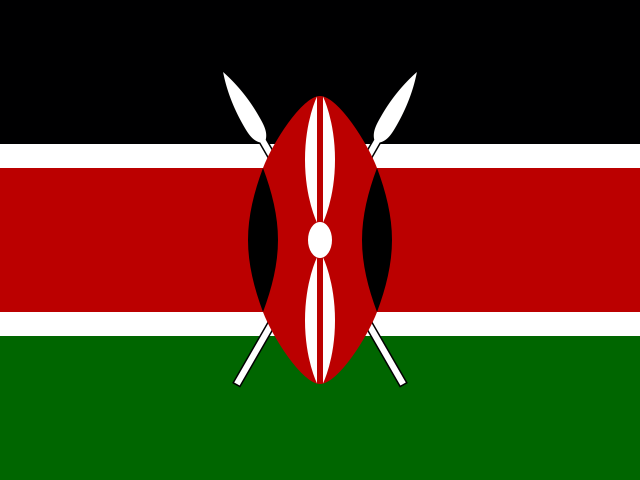 Kenya
Kenya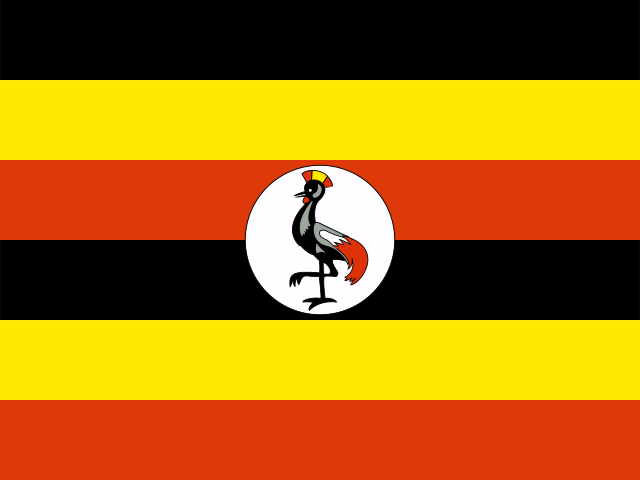 Uganda
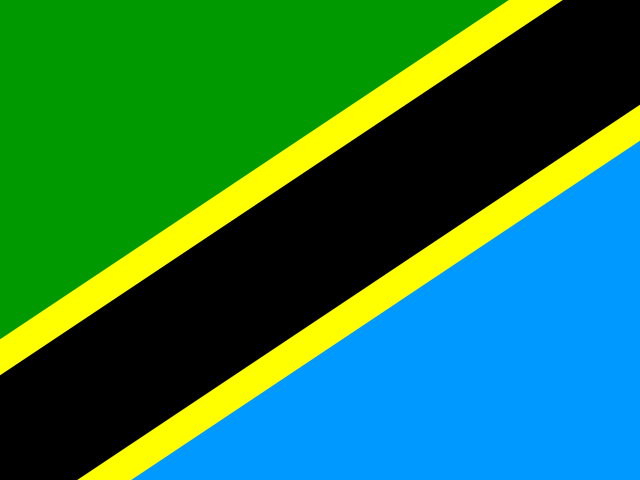 Tanzania
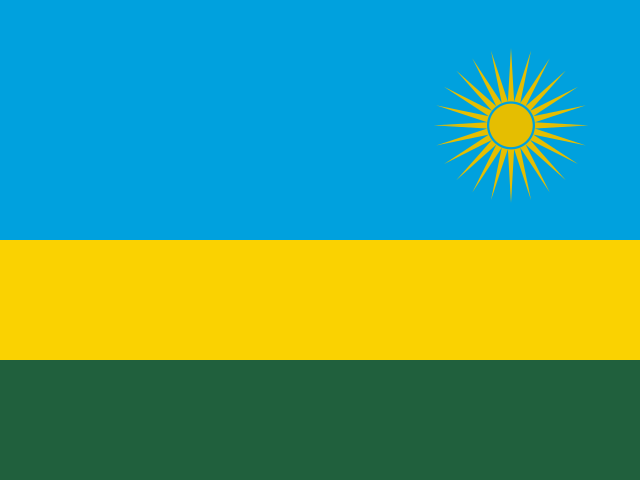 Rwanda
 Burundi
 DR Congo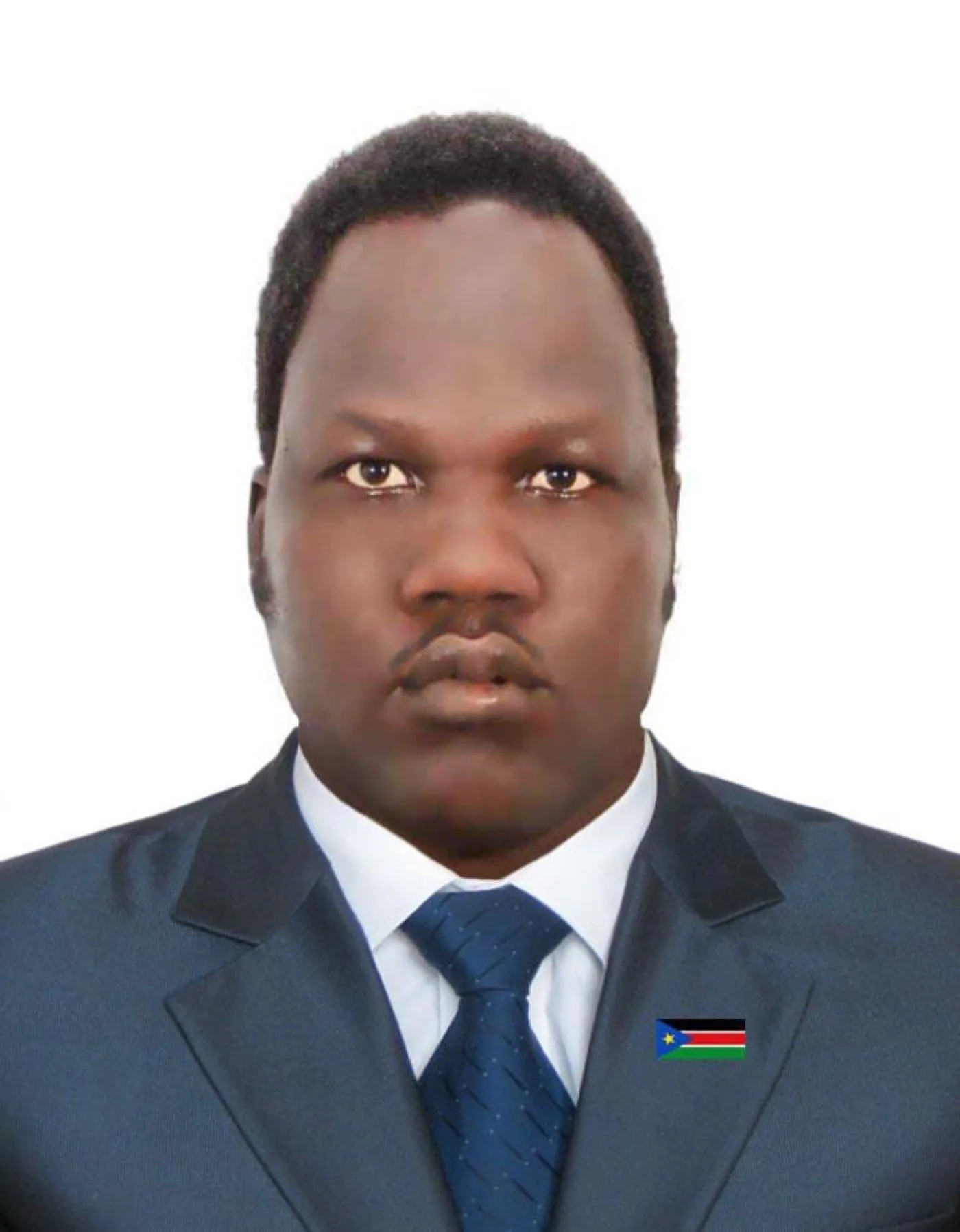
Leadership
CEO, Nile Economic Zone Corporation LLC · South Sudan Country Director, PRAXIS Africa · UNASDG Ambassador
A distinguished executive and diplomat with a rare blend of legal expertise, political-economic analysis and human rights advocacy, Malek is spearheading the industrial and logistical modernisation of South Sudan.
He holds a Master's degree in European Business Law from Lund University, with specialised training in Diplomacy and Climate Risk Management (University of London / UCLG Africa). A multilingual leader — fluent in English, Arabic and Swedish, alongside several African languages, he negotiates at the highest level across continents.
Partnerships
As UNASDG Ambassador, our leadership bridges international sustainability standards and local economic expansion.
Country directorship for PRAXIS Africa reinforces our commitment to community-led development and inclusive growth.
International reach
South Sudan's investment base should not rest on any single region. We engage across continents by design.
United States · India · Europe · Latin America · China
Direct engagement with investors and industrial partners on four continents, widening the country's investment base well beyond its traditional regional partners.
East African Community · Pan-African corporates
Working with EAC member states and pan-African corporate entities to integrate South Sudan into the regional economy.
Capital · Technical expertise
A specific focus on Middle Eastern and European markets for the capital and technical expertise that national projects of this scale require.
Contact
Investors, development banks and partners: we welcome your inquiry. We respond within two business days.
Juba, South Sudan
nileeconomic.com